Commercial trucks live hard lives. Long hours at highway speed, frequent exposure to gravel and debris, and constant vibration all add up. The windshield carries more of that stress than most people realize. When a crack starts to creep or a chip blossoms into a star, the question isn’t whether to address it, but how to do it right without pulling a revenue-generating asset off the road any longer than necessary. Smart fleet managers treat Auto Glass Replacement as a safety and uptime decision, not just a cosmetic fix.
This guide distills the practical realities of windshield replacement for Class 3 to Class 8 trucks and vocational vehicles. It draws on shop-floor lessons, DOT compliance experience, and the math of downtime. If you run a fleet or manage maintenance, the details matter — from glass specifications to ADAS calibration to how you schedule work around weather and weekend runs.
Why a truck windshield isn’t just a big piece of glass
A heavy truck’s windshield is both a structural and safety component. On modern cabs, laminated glass is part of the cab’s rigidity and crash energy management. It supports the proper deployment angle of the passenger-side airbag in some configurations. It also anchors sensors for advanced driver assistance systems, which now show up in everything from regional tractors to last-mile box trucks.
That means sloppy work can compromise more than visibility. The wrong urethane, an off-spec glass thickness, or a rushed bonding process can leave the cab less stiff and sensors out of alignment. On the road, those errors show up in small ways first — wind noise, water intrusion, and a driver’s sixth sense telling them something is off. But they can escalate. A windshield that fails under torsional stress on a rough job site is a risk nobody wants to own.
Understanding the glass: not all “OEM equivalent” is equal
“OEM equivalent” gets thrown around loosely in Auto Glass and parts distribution. With windshields, the differences are felt in small tolerances that make a big difference on a commercial cab.
- Thickness and lamination quality. Many heavy truck windshields are 5.4 to 6.8 millimeters laminated, with interlayers engineered for acoustic damping and stone impact resistance. Variations as small as 0.2 millimeters can change how the glass sits in the channel and bonds to the urethane, especially on cabs with tighter tolerances like late-model aerodynamic tractors. Optical clarity and distortion. Drivers notice distortion around the edges with subpar glass. It’s not just annoying. Distortion can affect depth perception and fatigue, especially on long hauls where drivers scan mirrors and lane markers for hours. Look for glass that meets or exceeds ANSI Z26.1 requirements and aligns with the OEM’s optical grade. Coatings and features. Heated glass, solar-control interlayers, and acoustic interlayers are common on premium spec trucks. If your fleet runs in northern states or mountain routes, heated windshields save time on winter mornings and keep defrosters from running wide open. Skipping these features to save money sounds tempting until your idle hours and driver complaints climb. Fitment around sensor brackets. Trucks with ADAS, forward-facing cameras, rain sensors, or antennas need glass with precise frit patterns and mounting brackets. Even a few millimeters off can force awkward shim solutions that come back to haunt you during calibration.
The rule of thumb: if a truck is still under warranty or subject to strict lease return conditions, stick with true OEM glass or a verified tier-one supplier that produced the OEM’s part. For older units, you can consider quality aftermarket pieces, but confirm tolerances and features. Ask your Auto Glass provider for the manufacturer’s name and the exact part number, not just “fits make/model/year.”
Chips, cracks, and the repair-or-replace decision
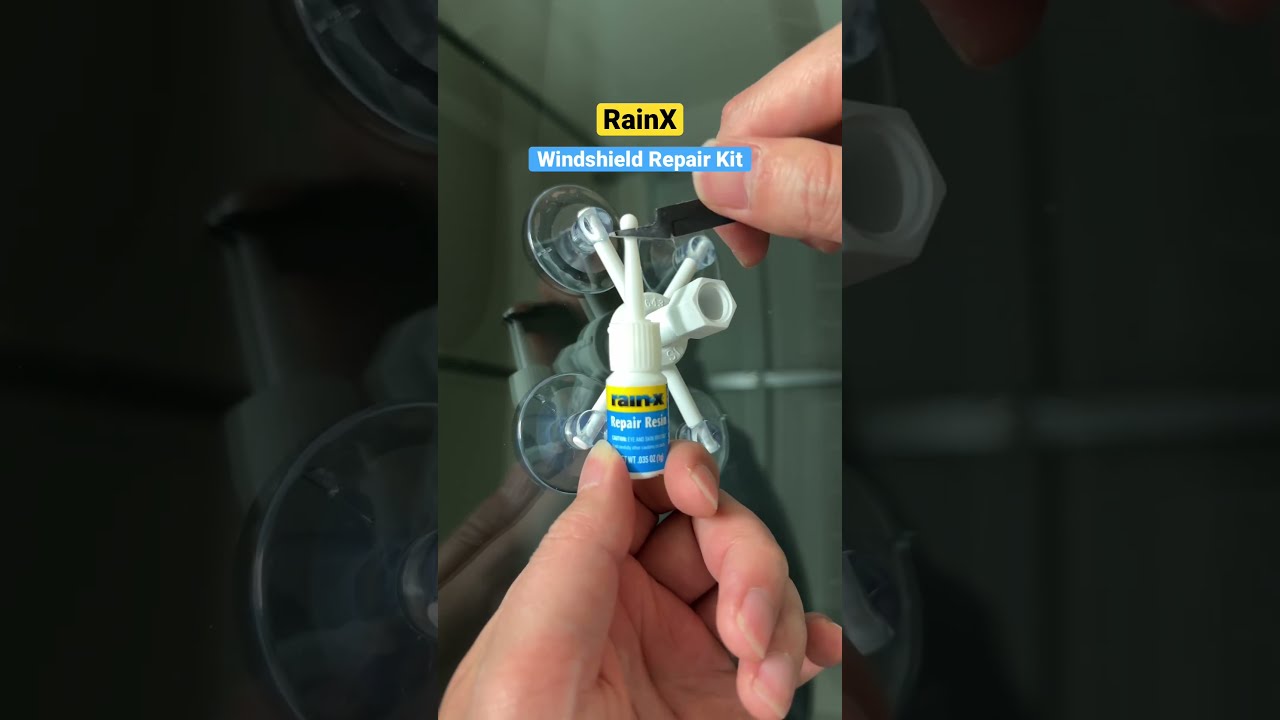
Windshield repair has its place. Resin injection can stop a small chip from spreading and keep a truck earning for months. But commercial glass sees more flex and stress than passenger vehicles, and cracks accelerate quickly. Here’s how experienced fleets evaluate the decision:
- Size and location. Chips under a quarter in diameter and outside the driver’s direct line of sight are usually fair game for repair. Long cracks, multiple fractures radiating from the same impact, or damage near the edge where the glass bonds to the cab typically call for replacement. Driver visibility and regulations. Federal Motor Carrier Safety Regulations prohibit operating with damage that obstructs the driver’s field of view. State enforcement can be stricter. If the driver notices glare, distortion, or wiper chatter over a bad area, schedule replacement, not debate. Age of damage and contamination. Once a crack collects moisture, dust, and road film, repair success drops. Commercial trucks often go days between when damage happens and when anyone sees it. That lag pushes many incidents straight into replacement territory. Sensor proximity. If the damage sits under or near a forward camera or lidar housing, err on replacement. ADAS calibration after a repair is often less predictable, and a small mismatch only shows up during calibration checks or hard braking events.
When in doubt, weigh the replacement cost against the risk of a violation, driver complaint, or a vehicle shutdown far from your home base. Across fleets I’ve worked with, the math often favors replacement once a crack exceeds 5 to 6 inches, or any damage encroaches the driver’s primary vision area.
Uptime math: the real cost drivers
Downtime is where most windshield decisions are won or lost. A truck generating $900 to $1,600 in gross revenue per day cannot sit idle for a preventable reason. Good glass partners understand that and set up their operations accordingly.
Turnaround times vary by market, but here are patterns that keep fleets moving:
- Mobile service with the right crew size. One tech can handle small vans. On a Class 8 tractor with a curved two-piece windshield or a heavy panoramic sheet, two techs with the right lifting tools are faster and safer. A well-equipped mobile team can complete most Windshield Replacement jobs in 90 to 180 minutes, plus cure time. Stock strategy. If your fleet spec repeats across dozens of units, ask your provider to stock your part numbers. For rare vocational chassis or older cabs, plan a two to three day lead time and schedule proactively based on inspection findings. Weather windows and cure profiles. Urethanes have minimum temperatures and humidity ranges. In cold climates, winter-grade urethane and proper preheating matter. If ambient temps sit near freezing, safe drive-away time can stretch from an hour to most of a day. Your provider should quote cure times honestly, not just “you’re good to go.” After-hours and yard coordination. The best setups schedule replacements after a truck’s last run and let the glass cure overnight. That means arranging yard access, power, and light. Some fleets stage two or three trucks at a time so a crew can move efficiently while trucks rest between runs.
Build a simple cost model that multiplies your average daily revenue per unit by expected downtime hours. Add a penalty for an unplanned breakdown or DOT out-of-service event. When you compare that figure to the premium for OEM glass and on-site service, the path usually clarifies.
Adhesives, primers, and the unseen details that protect you
Windshield Replacement is as much chemistry as it is labor. The wrong adhesive or a skipped primer can turn into leaks, wind noise, or a bond that fails under stress.
Expect your provider to specify:
- Urethane grade and safe drive-away time. Look for high-modulus, non-conductive urethane compatible with your truck’s body materials and any proximity to electronics. Safe drive-away times should be based on temperature and humidity, not a generic promise. Primer protocol. Painted pinch welds, bare metal, and ceramic frit bands each require specific primers. On older cabs with minor rust starting in the pinch weld, a thorough sand, treat, and prime step avoids a creeping leak that shows up six months later. Glass preparation and handling. New glass should be cleaned with a compatible solvent and handled with gloves to avoid contamination, especially where urethane will bond. Pinch weld inspection. If a previous replacement left a chunky bead or exposed metal, insist on a clean-up. Layering new urethane on old failures is asking for the same problem to return.
When you hear a shop skip or minimize these steps, you’re hearing a risk transfer from them to you.
ADAS calibration: the hidden line item that must be right
Many new tractors and straight trucks now run forward collision warning, lane departure, or adaptive cruise. The camera and sensor suite often sits behind or windshield chip repair Carteret County near the windshield. Even a perfectly installed piece of glass can shift camera alignment enough to trigger errors or leave the system subtly out of spec.
There are two major calibration approaches:
- Static calibration, using targets in a controlled environment. This requires the right floor space, lighting, and equipment. It’s predictable and works regardless of weather, but it may mean transporting the truck or using a mobile team that can set up a proper target grid on a flat, level surface. Dynamic calibration, done on the road with a scan tool following a prescribed route and speed profile. It sounds convenient, but it depends on conditions. Poor lane markings, heavy traffic, or bad weather can delay success.
Heavy trucks vary widely by make and model. Some require both static and dynamic procedures. Others require a dealership-level scan tool paired with OEM software. The key is documentation. You want a pre-scan report, proof of calibration with measured parameters, and a post-scan confirming no active faults. If your glass vendor subcontracts calibration, ensure the chain of custody for those reports is clean, with unit number, VIN, mileage, and tech credentials captured.
Skipping calibration or depending on dashboard silence is gambling. On vehicles where the system controls braking or throttle, a miscalibrated camera is a serious liability.
Two-piece and flat glass on vocational trucks
Dump trucks, mixers, refuse trucks, and certain vocational cabs often use flat or two-piece windshields. The work looks simpler than replacing a single curved sheet, but the devil hides in symmetry and sealing.
For two-piece installs, small alignment errors create uneven sightlines and wiper chatter. Seal quality around the center post matters in heavy rain and pressure washes. If your trucks operate off-road or on graded surfaces, cab twist can put extra demands on the sealant. Techs who work vocational glass weekly will take the time to dry fit, verify the squareness of the opening, and center the joint cleanly. It’s worth asking how many of your specific cab model they handle each month.
Flat glass is easier to stock and cut, which is great for uptime. Just ensure the glass is safety-rated laminated, not tempered, and that edges are finished properly. Cheap edges can start micro-cracks under vibration.
Water leaks, wind noise, and how to prevent comebacks
Comebacks kill schedules. A truck returning for wind noise or a water leak costs more than the time to fix it. It erodes driver trust. Most sound and water issues trace back to one of three causes: improper adhesive bead shape, contamination on bonding surfaces, or trim reinstallation shortcuts.
Good practice looks like this: a consistent triangular bead that maintains contact across the entire bond line, surfaces cleaned and primed appropriately, and trim clips replaced when brittle or fatigued. After install, a controlled water test can catch problems before the truck leaves. On aerodynamic cabs, missing or misaligned A-pillar trim creates a whistle that a driver will notice at 55 mph and hold against your shop forever. Keep spare clips and trim fasteners in your parts bins to avoid “reusing” tired pieces.
Compliance and documentation that protect your fleet
A clean paper trail matters. If you end up in court or face an audit, proper documentation shows you maintained the vehicle responsibly.
At minimum, each windshield job should generate:
- Work order with unit number, VIN, mileage, date, and location of service. Part numbers for glass, urethane, and primers used, including manufacturer brand. Technician names and certifications. Notes on any pinch weld treatment, rust remediation, or trim part replacements. If applicable, pre- and post-scans, calibration proof with printouts or PDFs.
Attach these to your fleet maintenance system. If your maintenance software supports photos, add a few shots of the pinch weld, bead, and final fitment. Documentation also helps you spot patterns, such as certain routes generating more stone damage or a cab model that needs a different adhesive because of body materials.
Driver reporting and preventive steps that save money
Drivers are your early warning system. They sit behind the glass daily and notice the faint star that a hurried yard check will miss. The trick is to make reporting easy and early.
Train drivers to call out chips immediately, not at the end of a week. Set a simple rule: a chip bigger than a pencil eraser or any crack over two inches triggers a note to maintenance. Provide a quick photo guide on their device or in the cab binder showing what to look for. If you run local or regional, coordinate with your glass provider for same-day mobile repair of chips, which can extend glass life significantly.
On the preventive side, mud flaps and deflectors matter. Trucks running heavy gravel or milling jobs kick debris that can ricochet into windshields. The cost of properly mounted flaps and periodic replacement is marginal compared to a steady rhythm of glass replacements.
Weather, route conditions, and seasonal planning
Seasonality affects windshield failure rates. Winter roads shed more rock, and freeze-thaw cycles open small chips into full cracks overnight. In northern markets, I’ve seen replacement rates jump 30 to 50 percent from December through March. If your fleet goes into winter with marginally damaged glass, expect the problems to multiply.
Plan inventory and vendor capacity accordingly. Lock in part numbers and service windows before the first storm hits. For routes with known problem zones — stretches of highway under active construction, mountain descents where sand truck activity is high — adjust following distance and coach drivers to leave extra room behind spreaders. You won’t eliminate incidents, but you can smooth the spikes.
The economics of cheap versus right
Every fleet manager faces the same temptation: there’s always someone who says they can do it cheaper. Sometimes that person is perfectly competent. Often the lower price shows up later in callbacks, leaks, shorter glass life, or ADAS issues that require a dealer visit.
I keep a simple scorecard when evaluating Auto Glass providers:
- First-time fix rate. How often do they return for leaks, wind noise, or calibration failures? Documentation quality. Do they give you the paperwork and scan reports without being asked? Part quality transparency. Can they name the glass manufacturer and urethane brand before they roll a truck? Response time and stocking. Do they keep your common SKUs on hand? How do they handle a Friday 3 p.m. call? Safety and process discipline. Do techs wear cut-resistant gloves, mask the dash, protect paint, and clean the cab? Sloppy care in the cab often mirrors sloppy adhesive work.
Cheaper is good when it comes from efficiency. Cheaper is costly when it comes from shortcuts.
Special cases: lease returns, insurance, and multi-state fleets
Lease returns and managed maintenance programs add layers. Leasing companies often require OEM windshields or specific equivalents and will charge back for poor fitment, non-OEM glass where OEM is specified, or trim damage. If a truck is within six months of return, follow the letter of the lease standards to the part number.
Insurance participation varies by policy. Some fleets carry glass coverage with low or no deductibles; others self-insure because the administrative friction isn’t worth it. If you do claim, get pre-authorization for ADAS calibration to avoid rework. Keep in mind that insurance networks often steer work to national chains. That can be fine, but verify they have your part in stock and heavy truck experience. A car glass specialist thrust into a Class 8 job can struggle with handling and adhesive selection.
Multi-state fleets face a different challenge: consistency. The solution is a national provider with a dedicated heavy-duty team or a vetted roster of regional specialists guided by a single standard. Write your spec once — glass quality, urethane, primer, calibration documentation, photo requirements — and hold all vendors to it. The more you standardize, the fewer surprises you get in Omaha on a Sunday night.
What a seamless replacement visit looks like
A well-run windshield replacement for a commercial truck follows a predictable rhythm that minimizes disruption and protects the asset.
- Arrival and assessment. Techs verify VIN and part number, photograph the existing glass and pinch weld, and confirm any ADAS sensors present. They lay covers to protect the dash and seats. Removal and prep. The old glass is cut out cleanly. The pinch weld is cleaned, rust addressed, and primers applied by the book. The new glass is test-fitted to confirm bracket alignment. Adhesive application and set. A uniform bead goes down, glass is placed with suction devices, aligned to factory placement marks, and pressed to ensure proper contact. Excess is trimmed cleanly. Reassembly and cleanup. Trim and cowl panels go back with fresh clips where needed. The cab is vacuumed. The tech performs a water test if conditions allow. Calibration and documentation. If sensors are present, static or dynamic calibration is performed with pre- and post-scans, and documentation is captured. Cure times and safe drive-away guidance are given in writing, based on ambient conditions. Handoff. Maintenance receives the work order, part numbers, photos, and calibration reports. The driver gets briefed on any restrictions, such as avoiding high-pressure washes for 24 to 48 hours.
That’s the standard you want, whether you’re dealing with one service truck or a hundred tractors.
Building a proactive program that pays for itself
Windshield Replacement will never be glamorous, but a proactive approach saves money and aggravation. Start with three steps:
- Audit your current state. Pull the last year of invoices and note part numbers, return visits, and average downtime. Identify repeat pain points by make and model. Set a fleet standard. Choose glass quality tiers, specify urethane and primer brands, define documentation requirements, and decide when to repair versus replace. Put it in writing and share it with vendors. Train and schedule. Teach drivers what to report and when. Schedule yard visits to address chips weekly and replacements during natural downtime. Expect your provider to adapt to your routes and rhythms.
The payoff shows up in fewer road calls, happier drivers, and fewer surprises at inspection stations. Over a year, even a 10 percent reduction in glass-related downtime can recapture weeks of revenue across a midsize fleet.
A final word on safety and pride
Drivers take pride in clean, quiet cabs with clear views. A well-installed windshield is part of that experience. It signals that the company cares about the people in the seat and the work they do. From a safety standpoint, it’s fundamental. From a business standpoint, it’s a lever you control.
When you treat Auto Glass and Windshield Replacement as strategic maintenance, not an afterthought, you get better outcomes: stronger bonds, accurate sensor performance, documented compliance, and trucks that leave the yard ready to earn. That’s the kind of detail that separates reactive operations from disciplined ones, and it shows up where it counts — on the road, on the balance sheet, and in the way your drivers talk about your fleet.